Argentine Wine for Beginners: What to Try and How to Order
Learn how to choose and order Argentine wine with simple questions about style, region, serving size and food.

You do not need to recognize every producer on a wine list to enjoy Argentine wine. Start with the styles you already like, an amount you are comfortable spending and a simple question for the person serving you. A useful conversation will usually get you further than choosing the most familiar name at random.
This guide is for adults who choose to drink. There is no need to turn wine into a daily habit or order more than you want. A tasting, a glass with food or an alcohol-free choice can each be a complete evening.
Begin with style, then explore the grape
Think about what you enjoy: a lighter or fuller red, a crisp or aromatic white, something dry rather than sweet. Those words give a server a starting point even if you cannot remember the last bottle you liked. You can also describe the food you are ordering and ask for two options within your budget.
Malbec is a useful place to begin exploring Argentine reds, but it is not a complete description of Argentine wine. Bottles made with the same grape can taste different. Ask whether a suggested wine is lighter or fuller in body, and whether oak is a prominent part of its style. You do not have to turn those answers into a score; they simply help you choose.
For a white, Torrontés offers another starting point for a conversation about Argentine varieties. An aromatic impression does not by itself tell you how sweet a wine will taste. If sweetness matters to you, ask directly rather than relying on a floral description. You can explore other varieties at your own pace instead of trying to cover the country in one sitting.
Let the region become a question
You will encounter regional names such as Mendoza and Salta while exploring Argentine wine. Treat a region as an invitation to learn where a bottle comes from, rather than a guarantee that every bottle from that place will suit you. Ask the server or shop what distinguishes the particular wine they are recommending.
A useful follow-up is, “What would you choose if I wanted something different next time?” That can introduce another region, grape or producer without making the first bottle the standard everything else must beat. Keep a photograph of the label if you enjoy it, along with one short note in your own words.
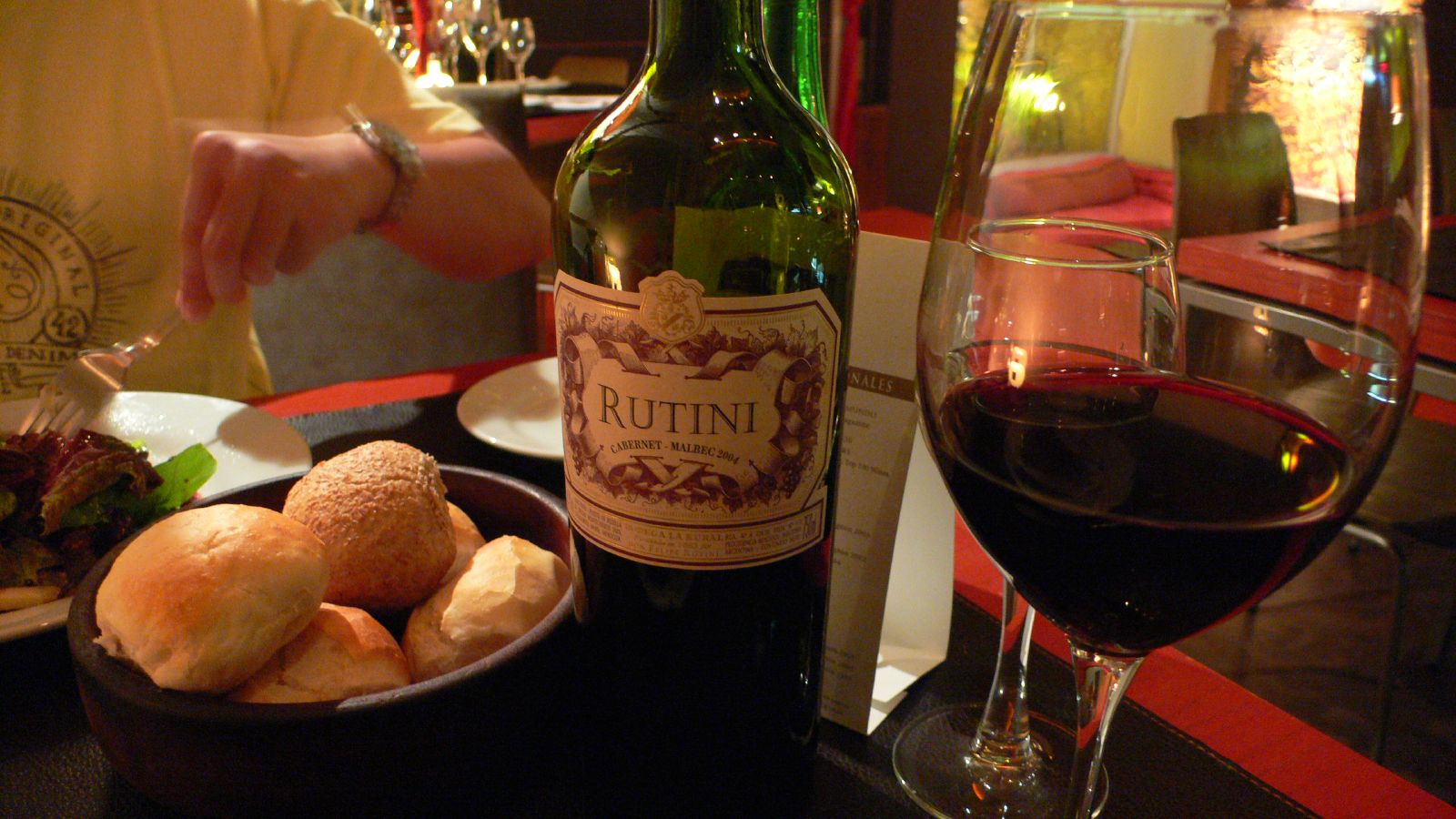
Order a glass with confidence
“¿Qué vinos tienen por copa?” asks which wines are available by the glass. If you want a dry white, try “Busco un blanco seco.” For a lighter red, “¿Tienen un tinto más liviano?” gives a helpful direction. You can also point to the price range on the menu and ask for a recommendation within it.
Check which wines are actually offered by the glass, the serving price and whether the recommendation matches the menu item you understood. A bottle list and a by-the-glass list may be different. If you are sharing a bottle, agree on the budget with your companions before ordering.
You do not have to use technical vocabulary when asked what you think. “I like this,” “I would prefer something lighter,” or “This tastes sweeter than I expected” gives more useful feedback than repeating tasting terms that mean little to you.
Pair with the meal you want to eat
Choose your meal first if food is the main reason for the outing, then ask for a wine that works with it. There is no need to order steak just because you are trying an Argentine red. Tell the server about the flavors and ingredients you have chosen, and whether you want the wine to feel light, fresh or more substantial.
If everyone at the table orders differently, glasses can be simpler than finding one bottle that satisfies every preference. Compare the actual options and prices before deciding. A pairing suggestion is a starting point for enjoyment, not a rule you have to obey.

Buying a bottle for a quiet evening
In a shop, explain when you plan to open the wine and what you like. Ask about serving and storage for that bottle. If you are staying in an apartment, check whether a corkscrew and suitable glasses are included before arriving with something you cannot open.
Keep the evening practical: food, water, a comfortable place to sit and no pressure to finish a bottle. If you are carrying wine onward, check the rules of your carrier and destination before buying it as a souvenir. Requirements depend on the journey.
Make room for your own discoveries
A few notes on wines you enjoyed can turn a long stay into a gradual exploration. Write down the producer, grape and one thing you liked, then ask for something adjacent on your next visit. You will build a personal map of Argentine wine that is more useful than memorizing a list of supposedly essential bottles.
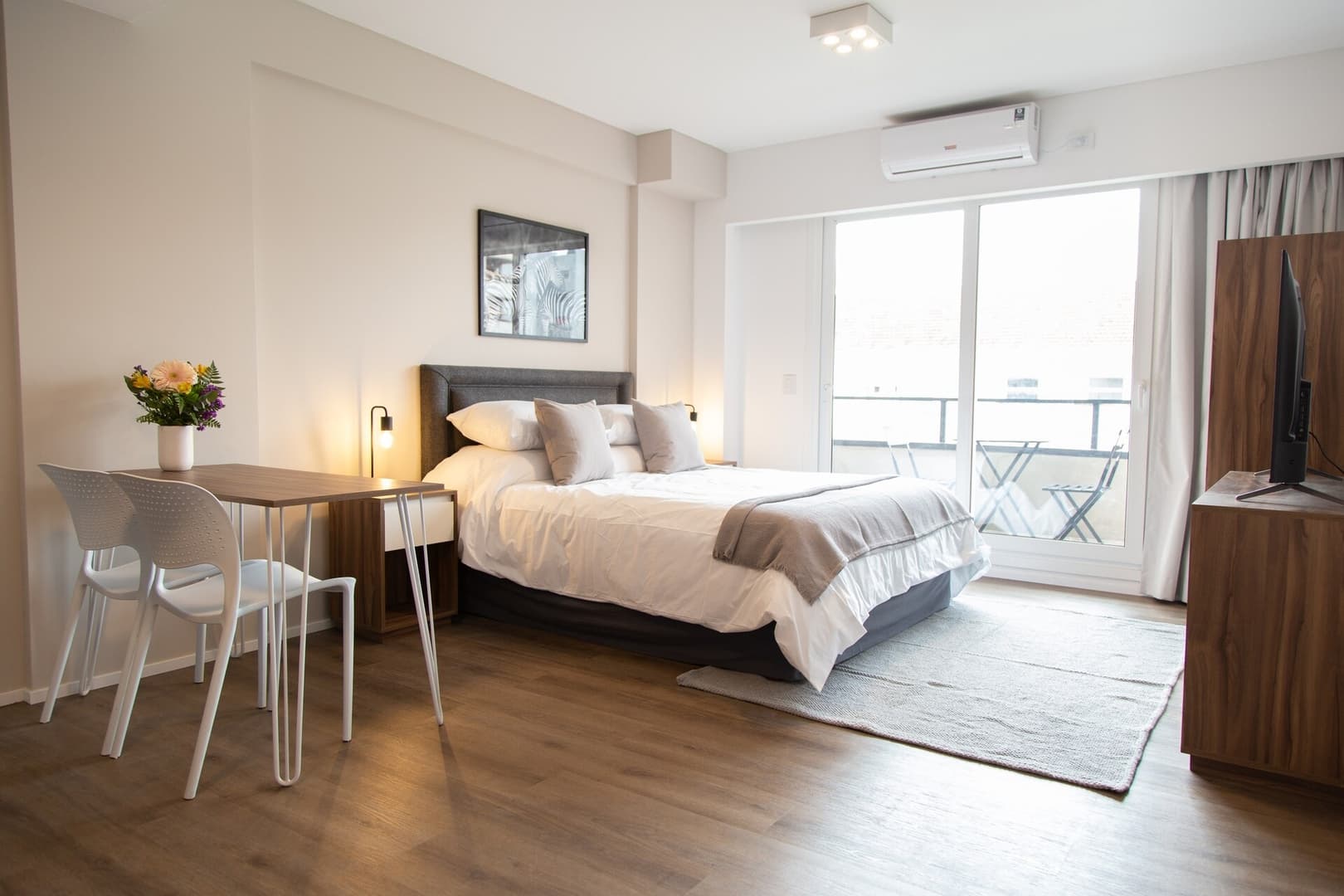
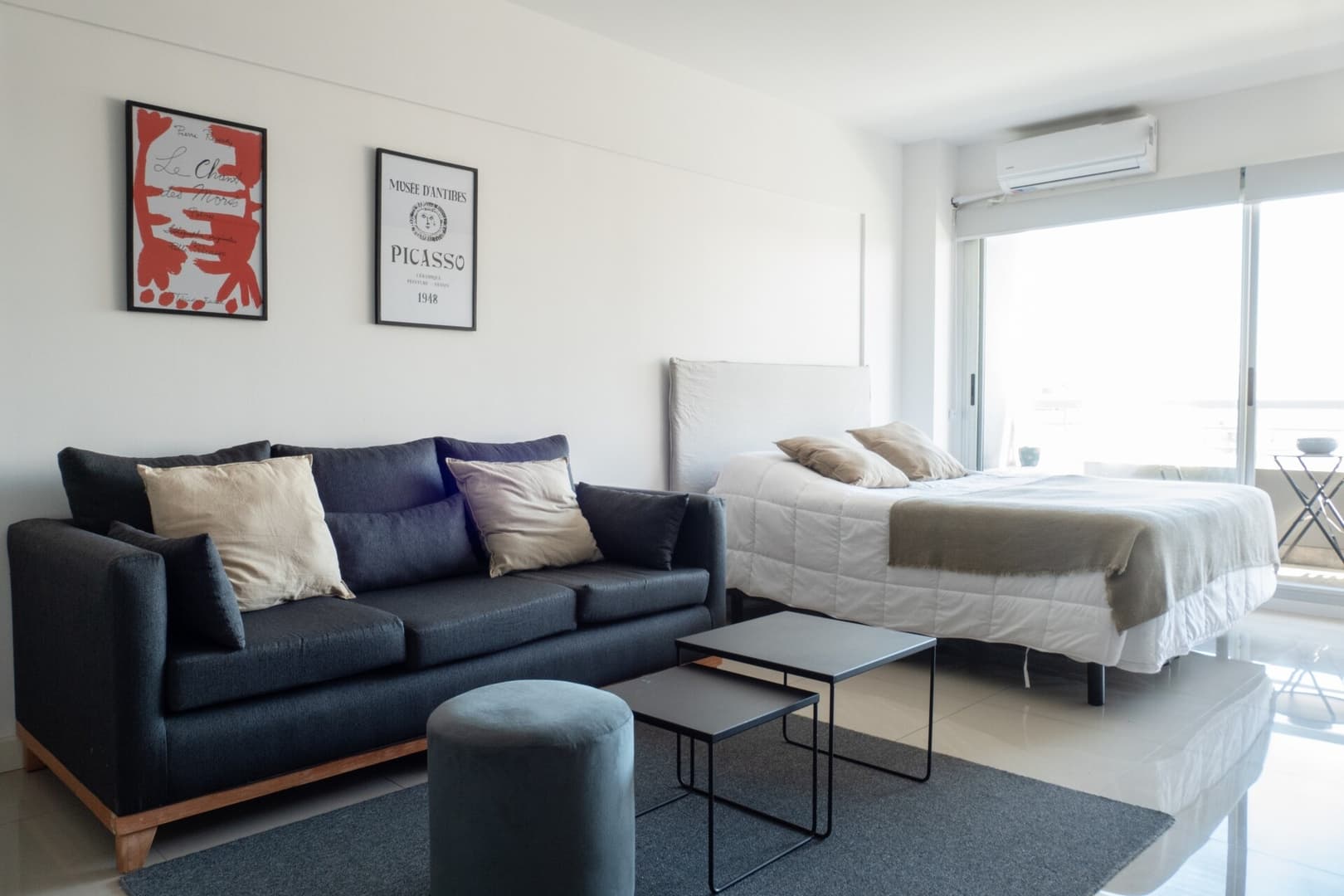
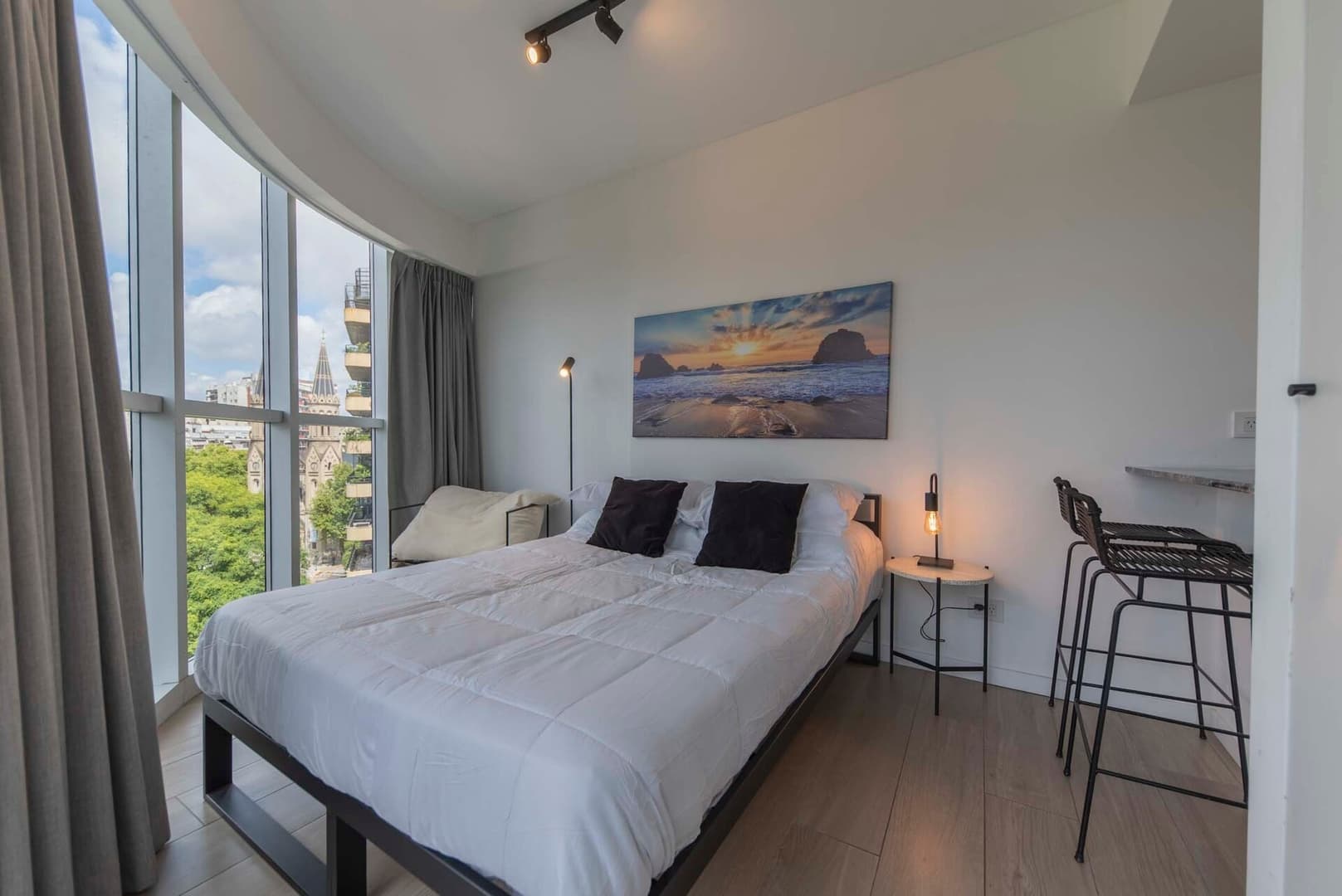
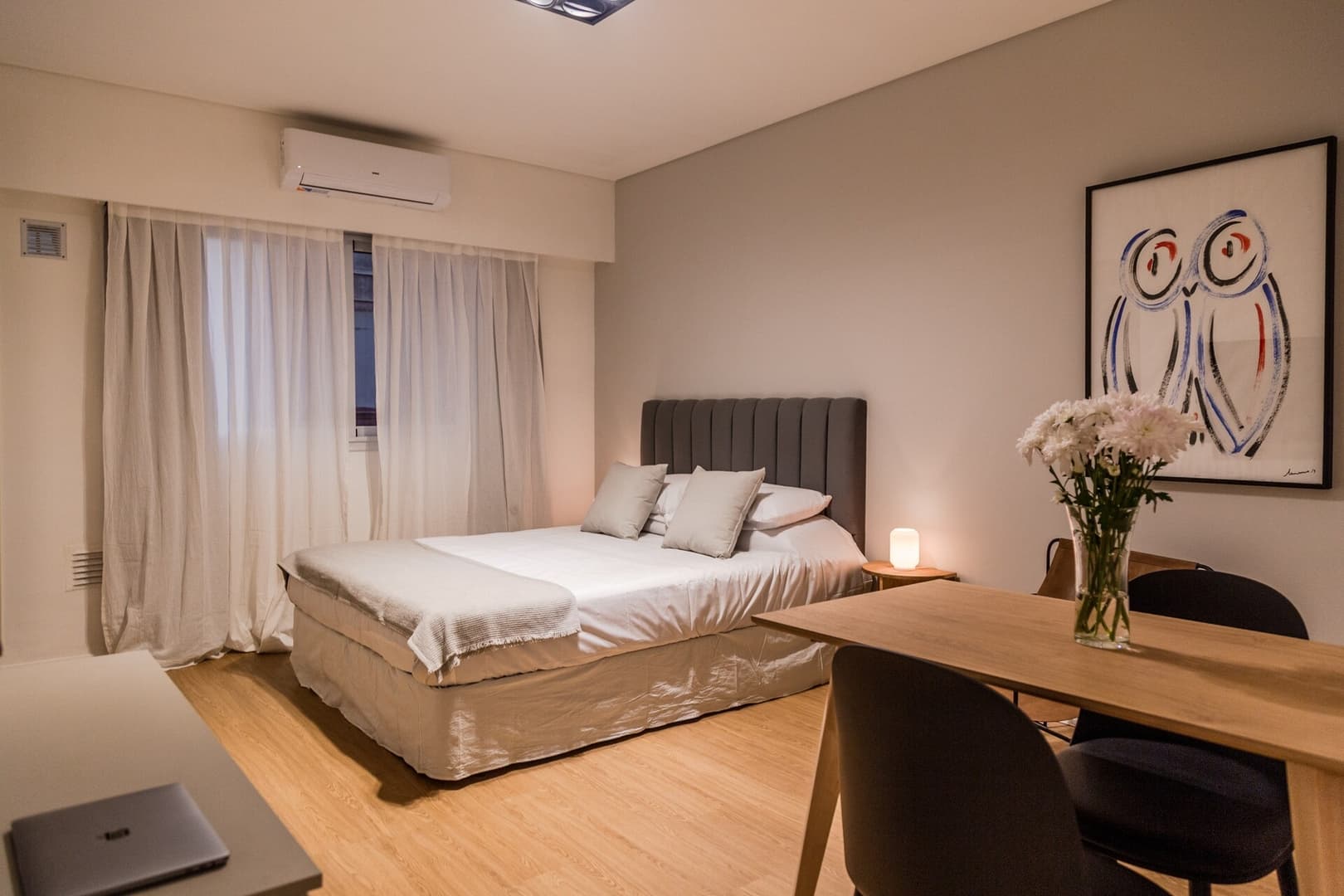
For a month in Buenos Aires, a comfortable home base also gives you room for quiet evenings between outings. When exploring furnished apartments in Buenos Aires on BeTrusty, compare the everyday details that matter to you and confirm the property's current conditions. The city will still be there tomorrow; you do not need to discover it all tonight.
Sources and photo credits
- Argentina and its wine-producing regions
Visit Argentina
An introduction to Argentine wine regions and grape varieties.
- Argentine wine regions
Visit Argentina
Background on Argentine wine regions, including Mendoza and Salta; not a current tour or price recommendation.
- Cover photo: Glasses of red wine and water beside a Malbec bottle
Ricardo Martins
2007-03-10. CC BY/2.0. No modification by BeTrusty.
- Photo license: CC BY/2.0
Creative Commons
License for photograph by Ricardo Martins; attribution and original file linked above.
- Photo: Red wine and bread on a Buenos Aires restaurant table
Philip Choi
2006-09-29. CC BY/2.0. No modification by BeTrusty.
- Photo license: CC BY/2.0
Creative Commons
License for photograph by Philip Choi; attribution and original file linked above.
- Photo: Aisle and wine display at Mercado del Progreso, Buenos Aires
ProtoplasmaKid
2014-11-18. CC BY-SA/4.0. No modification by BeTrusty.
- Photo license: CC BY-SA/4.0
Creative Commons
License for photograph by ProtoplasmaKid; attribution and original file linked above.