Tango Beyond the Tourist Show: A Beginner’s Guide to Milongas
Discover Buenos Aires milongas as social tango gatherings: choose a beginner-friendly introduction, observe the floor and ask about the venue’s own customs.
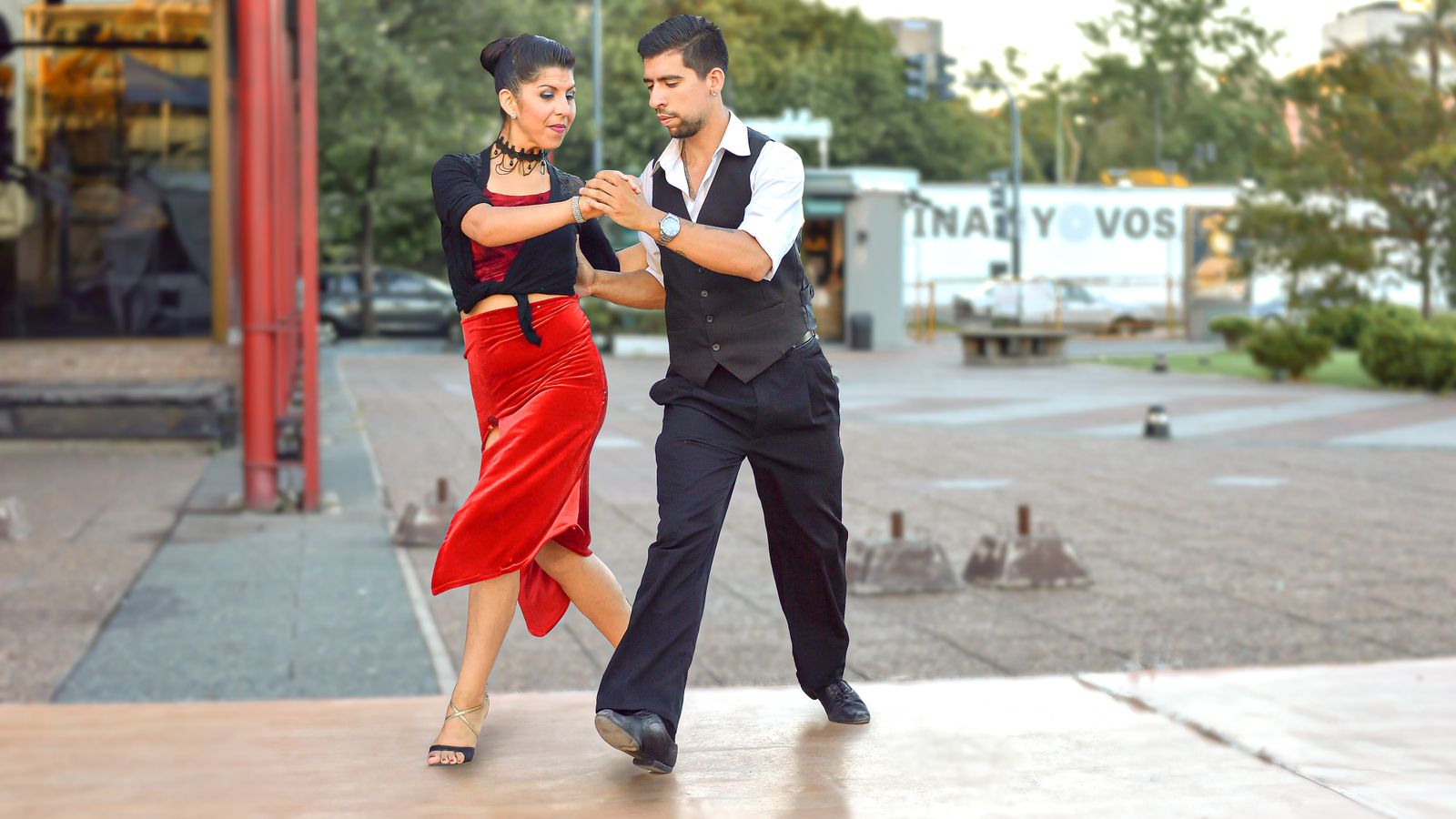
At a tango show, you sit down to watch a performance. At a milonga, the people attending help make the evening through social dancing. That difference is a good starting point if you want to explore tango beyond a ticketed stage experience. Your first visit can involve watching, taking an introductory class if one is offered or joining in at a level that suits you.
You do not need to arrive with a polished dance or a complete understanding of the codes. Choose a place that can explain how beginners are welcomed, and let curiosity lead you at a pace that feels comfortable.
Know what a milonga is before choosing one
The Buenos Aires city description defines a milonga around social dancing to tango, vals and milonga. It describes the role of musical groups of songs, known as tandas, and separating music called cortinas. The terms help you recognize the structure, but the organizer can explain how the specific evening works.
A social gathering does not promise a formal show, a lesson or a reserved seat. Those are separate features to ask about. If you are mainly hoping to watch professional performance, check whether the event actually includes it rather than assuming the word tango covers the format you want.
The city publishes a directory and a 2026 milonga map. These are useful starting points for finding organizers. A directory is not confirmation that a particular session is happening on your intended date, so verify the details directly before setting out.

Decide whether you want to observe or dance
An evening spent observing can be a worthwhile introduction. Ask whether the event welcomes visitors who are not dancing, how admission works and whether seating needs to be arranged. You can enjoy listening and watching without treating the dance floor as something you must enter to justify the visit.
If you want to learn, ask specifically about an introductory class. Is it suitable for someone with no experience? Do you need a partner? Is the class separate from the social session? The answers help you choose an evening whose structure supports your first steps.
A practice session and a crowded social floor can offer very different learning conditions. Tell the organizer your actual level rather than choosing the most famous name and hoping to figure it out there. Beginner access depends on the event, not a general promise about Buenos Aires.
Ask about the room's own customs
Before your first visit, ask the organizer how invitations to dance are handled and what they recommend for a newcomer. Some settings use visual invitations, and expectations about joining the floor may vary. Learn the practice at that event rather than using a rule from an unrelated venue as universal etiquette.
Once inside, notice the floor before approaching it. Listen to the music, watch how dancers enter and observe the space between couples. If you are unsure whether you can join safely at your level, ask the host or teacher for guidance rather than stepping into the moving flow to experiment.
Consent and comfort remain straightforward. You can decline an invitation kindly, and another person can decline yours. Do not turn a refusal into a request for explanation or assume that attending means someone owes you a dance.
If you do dance, choose movements that fit your ability and the shared space. This is not the moment to imitate a stage sequence you have seen online. A beginner lesson should help you understand how to participate with awareness of the people around you.
Prepare for the evening you have chosen
Ask about footwear and clothing recommendations for the actual session. Comfort and the ability to move matter more than buying a costume for your first encounter. If special shoes are required or recommended, clarify that before attending rather than assuming everyday footwear will work everywhere.

Check the venue address, entry process, payment arrangements and the journey home. Do not build a plan around a timetable copied from an old article. Your intended date and the organizer's current information should decide the practical details.
Give yourself room to leave when you have had enough. A first evening can be short and still be rewarding. You may find that watching and one introductory lesson give you plenty to absorb before another visit.
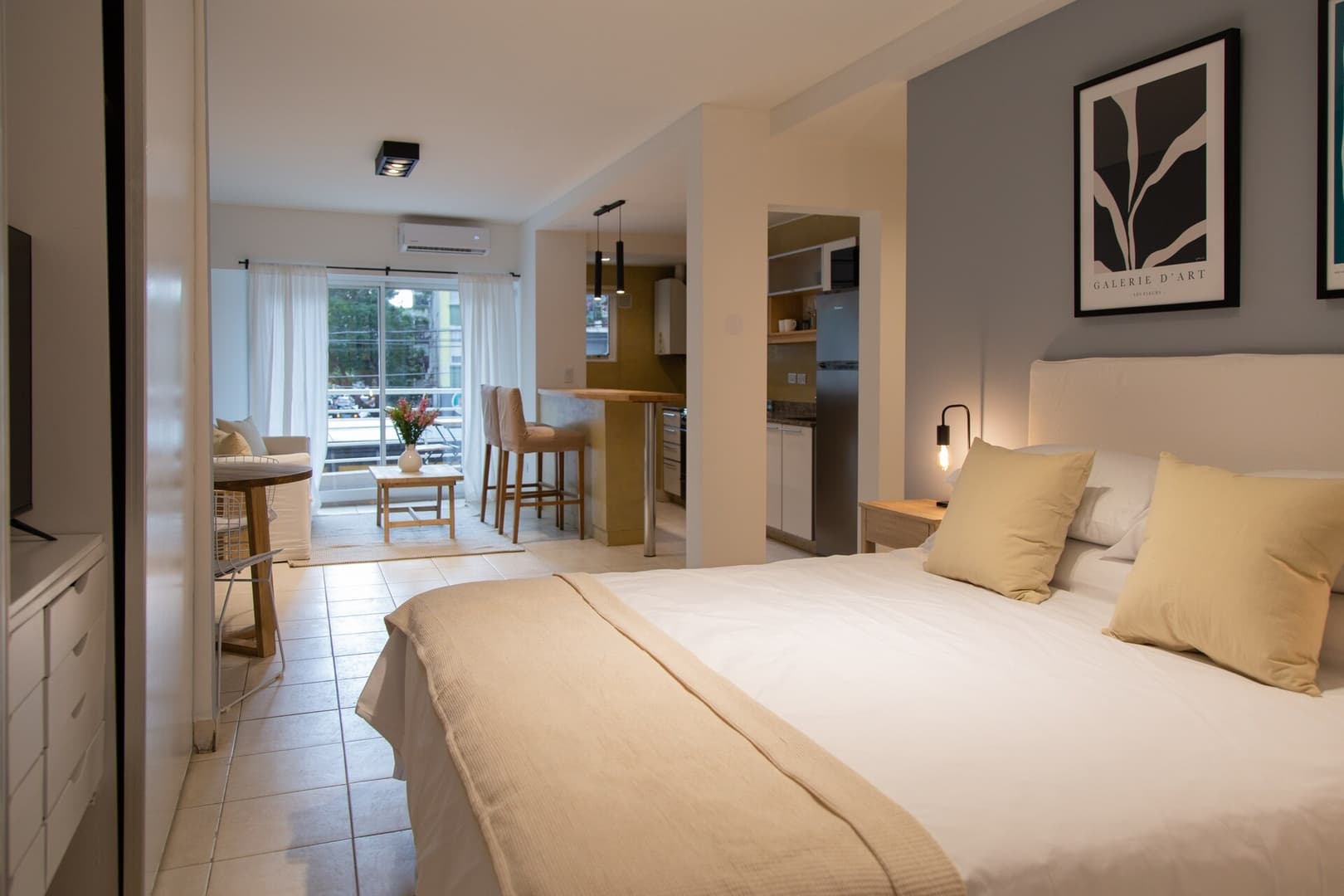
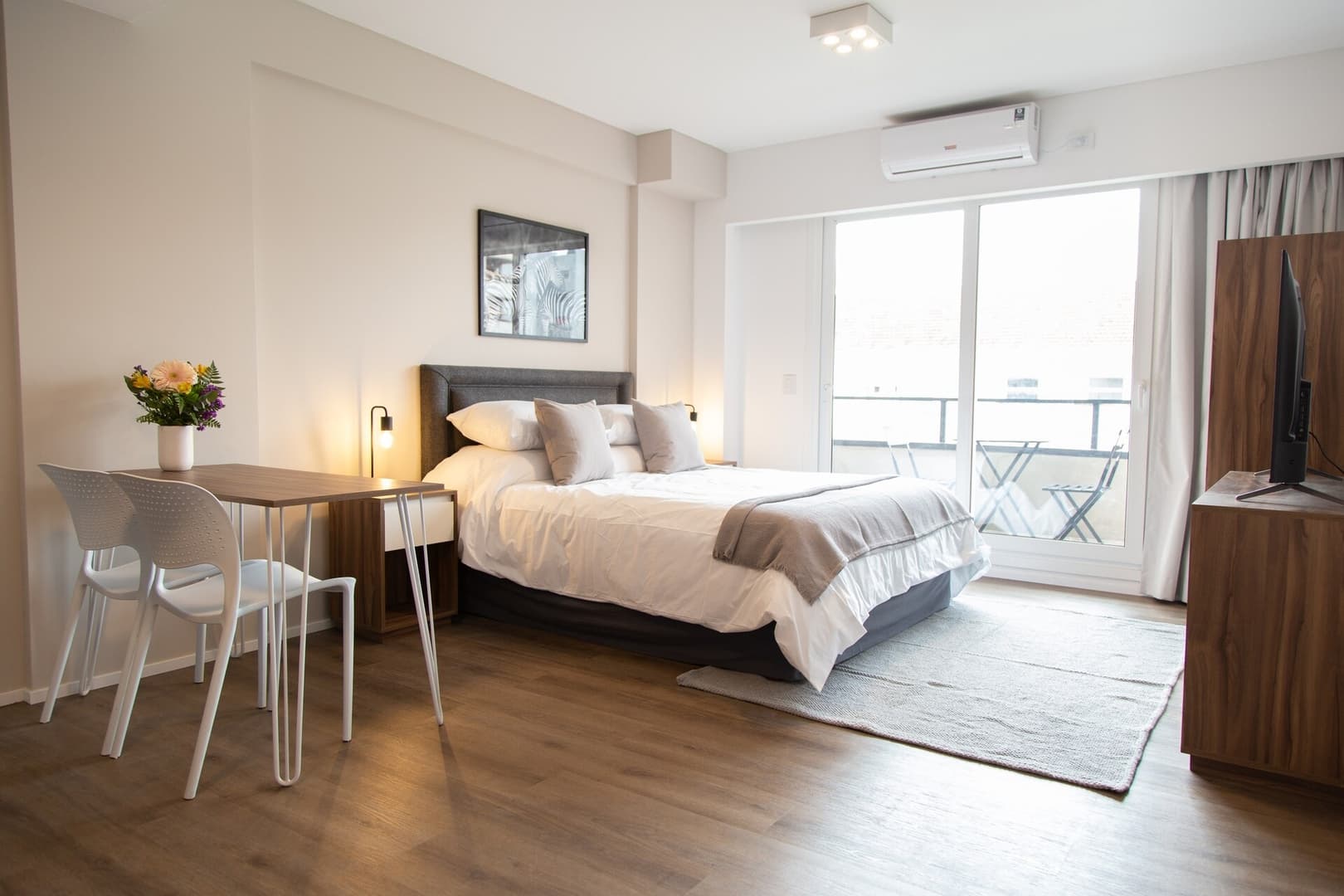
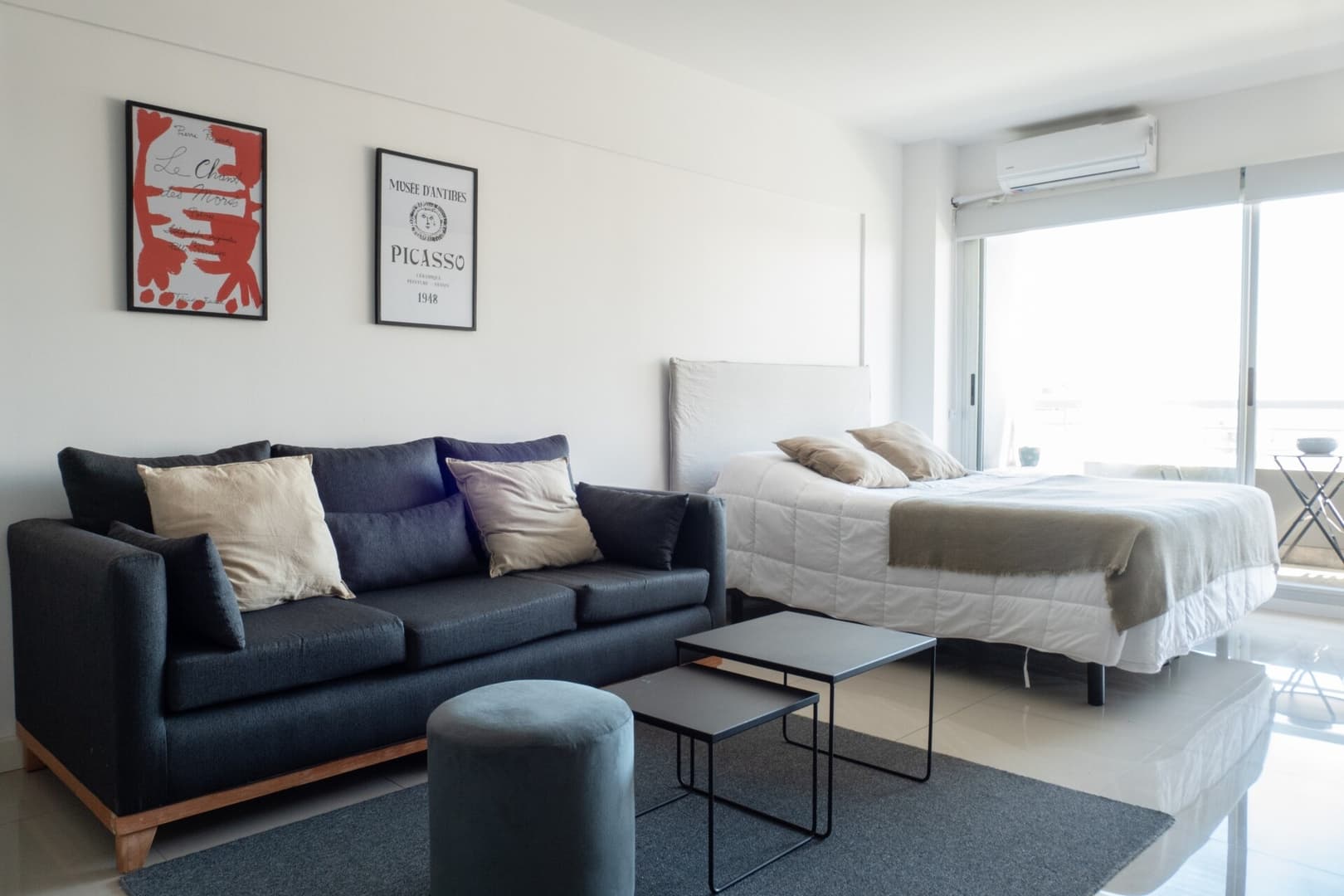
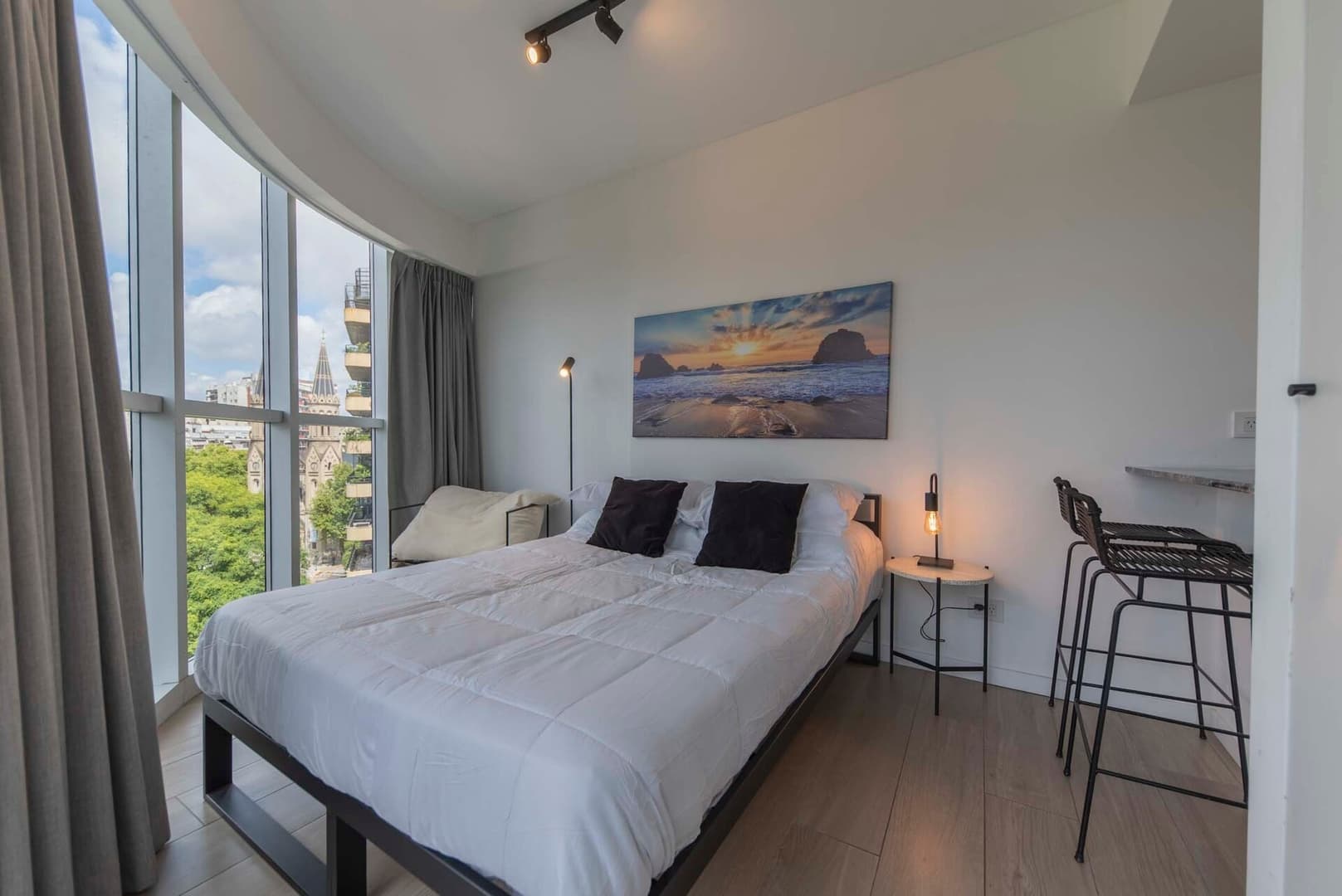
For a longer stay, explore apartments on BeTrusty around the activities you want to repeat, including the trip home. Confirm the location, dates and the features of the individual property. An appealing tango evening can inform your routine, but it does not establish a neighborhood or apartment as suitable for every dancer.
For a home base during a longer tango exploration, the Buenos Aires monthly housing page brings together city and neighborhood starting points. Use your chosen venues and return journeys to guide the search, then confirm the individual accommodation for your dates.
Let repetition deepen the experience
On a second visit, you may notice something that passed you by the first time: the end of a tanda, how a teacher introduces a movement or the different mood of a piece of music. Familiarity does not need to be rushed into expertise.
If you enjoyed a class, ask how the next lessons progress and whether your remaining time in the city fits the course. If you preferred listening and watching, explore another event with that intention. Both are legitimate ways to follow your interest.
You do not have to choose between an enjoyable show and a social tango gathering. They answer different wishes. What matters is understanding which experience you are booking and approaching the people there with the expectations that fit it.

Make your next visit a clear plan
Pick one organizer, explain your level and ask what they recommend for your intended date. Confirm the practical details, choose your route and arrive ready to listen. That simple preparation makes more space for the part that brought you there: music, movement and an evening shared with other people.
Compare Buenos Aires apartments on BeTrusty if you want a home base for a longer exploration. Enter your dates and occupants and review each listing's conditions. Then let your first milonga be an introduction, with another visit available if the experience makes you curious for more.
Photographs: Adrian Gonzalo (cover); Jorge Royan (ballroom); Sabrina Ibarra (embrace); Marina Zvada (footwork); Nathana Rebouças (recoleta). Pexels License; Unsplash License. © Jorge Royan / royan.com.ar, CC BY-SA 3.0: original archival photograph, no image edits; responsive display crop only. Images illustrate tango culture and do not establish current schedules or beginner access.
Sources
- Milongas in Buenos Aires
Buenos Aires City
Social dance definition and official directory; verify events with organizers. Consulted 29 September 2026.
- Mapa Milonguero 2026
Buenos Aires City
Dated city directory; not proof that a listed session remains scheduled. Consulted 29 September 2026.
- Photograph: Buenos Aires - Classic tango dance ballroom - 6334.jpg
Wikimedia Commons / Jorge Royan
Image source and attribution; CC BY-SA 3.0. Consulted 29 September 2026. The photograph is contextual or illustrative, not evidence of current accommodation availability.
- Photograph: cover
Adrian Gonzalo
Buenos Aires photograph; source and license checked 2 October 2026.
- Photograph: embrace
Sabrina Ibarra
Buenos Aires photograph; source and license checked 2 October 2026.
- Photograph: footwork
Marina Zvada
Buenos Aires photograph; source and license checked 2 October 2026.
- Photograph: recoleta
Nathana Rebouças
Buenos Aires photograph; source and license checked 2 October 2026.