
Navigating Buenos Aires as a Vegetarian or Vegan
Find a comfortable vegetarian or vegan routine in Buenos Aires with useful menu questions, shopping habits and kitchen checks.

A vegetarian or vegan stay in Buenos Aires is easier to plan around clear questions than assumptions about what a dish contains. Start with what you personally eat, learn a few useful phrases and build a small collection of places and meals that work for you. You can leave plenty of room for discovery once the everyday basics are comfortable.
Vegetarian and vegan are not interchangeable. Nor does either label explain every ingredient someone avoids. Whether you are choosing a restaurant or asking about breakfast, a specific question is often more useful than a broad label.
Say what you mean in simple Spanish
You can start with “Soy vegetariano/a” or “Soy vegano/a,” then name the ingredients that matter. “¿Tiene carne, pollo o pescado?” asks whether something contains meat, chicken or fish. “¿Tiene leche, queso, huevo o manteca?” asks about milk, cheese, egg or butter. You do not need perfect Spanish to ask a useful question.
For a particular dish, ask about the preparation as well as the main ingredient. “¿El caldo es de verduras?” asks whether the stock is vegetable-based. “¿Se puede preparar sin queso?” asks whether it can be made without cheese. A dish that can be adapted and a dish already prepared in a large batch may have different answers.
If you have an allergy, explain it separately and clearly. A vegetarian or vegan description does not establish that a kitchen can meet an allergy-related requirement. Ask the business directly about ingredients and preparation; this guide does not certify a restaurant or offer medical advice.
Read the whole dish, not just its name
A vegetable filling, salad or side dish can be a useful starting point, but check sauces, toppings and cooking ingredients. Ask about stock in soups and rice dishes, dairy or eggs in doughs and dressings, and any garnish added at the end. The name alone may not answer your question.
When the menu offers a vegan option, check that it is available that day. For a mixed group, look for an option you would genuinely enjoy rather than assuming you can make a meal from whatever is left after removing ingredients. A quick menu check before meeting friends can make dinner much more relaxed.

Build two lists: everyday and exploratory
Your everyday list is practical: somewhere close to home, an option near work or study, and a meal you can buy or prepare when you are tired. Your exploratory list can include places you want to try with more time. Keep opening hours and current menus as things to check before going, not permanent facts saved from an old recommendation.
When choosing a neighborhood, map these options against your real routine. One excellent restaurant across the city is a pleasant outing; it does not replace convenient groceries near your apartment. You may find that a workable kitchen and a few nearby shops matter more than being close to a famous dining area.
Make grocery shopping easier on yourself
For fresh produce, start with quantities you can use during the next few days. Add familiar staples, then try local products gradually. Check labels on packaged food even when you recognize the type of product: recipes vary between brands and versions.
If you are unsure what a product is, ask or look up the exact label before buying several packages. Keep your first grocery trip small. Learning which ingredients you enjoy and can easily find is part of settling in, and it does not need to happen on the first afternoon.
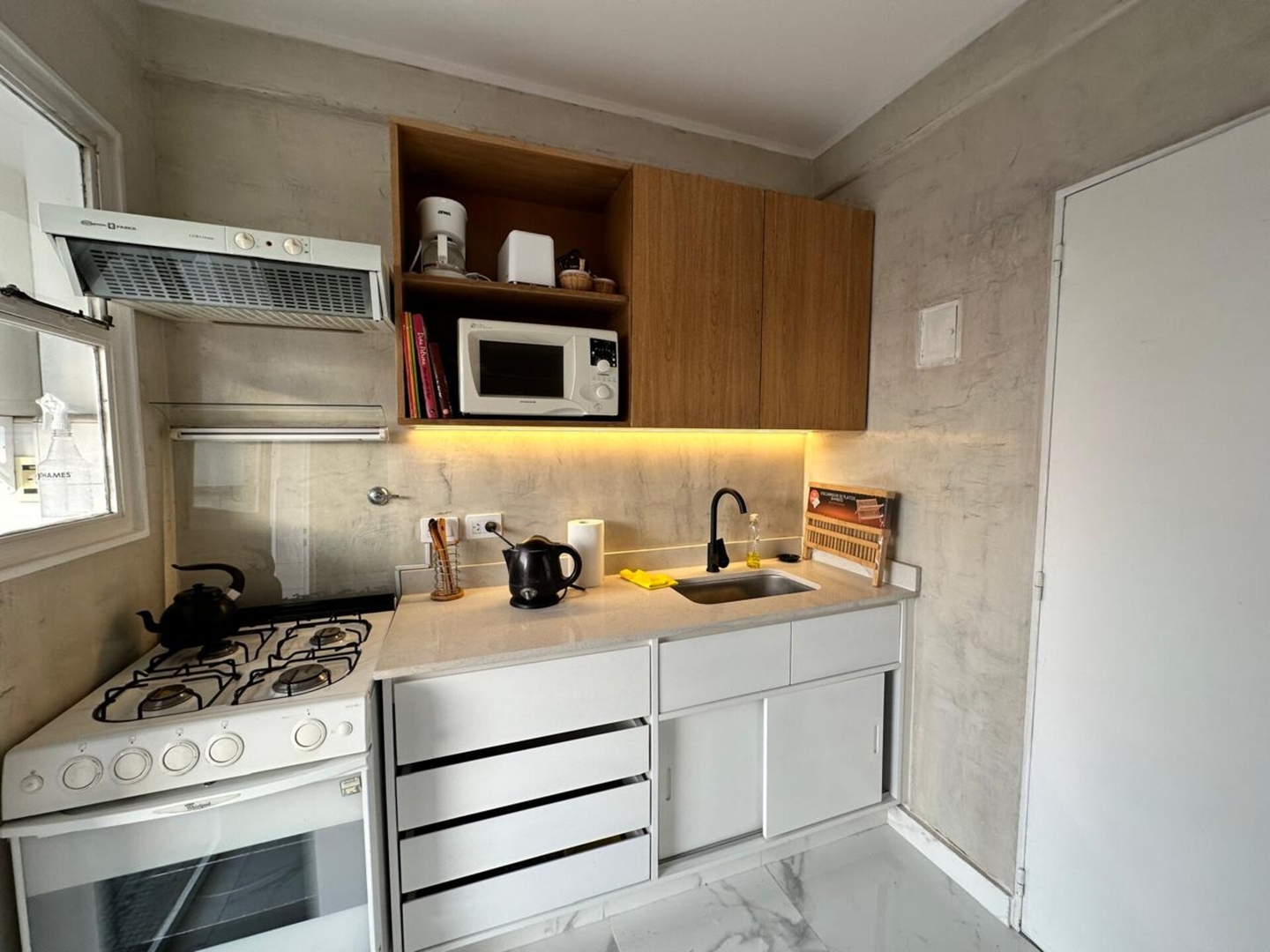
Ask better questions about the apartment kitchen
For a longer stay, confirm the refrigerator, cooking surface, pans, utensils and storage included in the apartment. If you plan to cook most days, ask for current photographs of the working area and equipment. A stylish kitchen photo is not an inventory.
In a shared home, discuss fridge space, cleaning and how utensils will be used. Put practical agreements into words rather than assuming everyone interprets your preferences the same way. If you have requirements that affect whether you can use the kitchen, establish those before committing.
Give yourself an easy first few days
Plan a simple arrival meal and identify a grocery option you can check once you are settled. Save your key ingredient questions on your phone. Then leave space to explore: a menu you have not seen before, a produce shop around the corner or a place recommended by someone who understands what you eat.
When you explore apartments on BeTrusty, use your food routine as part of the shortlist. Confirm the kitchen details with the property contact and check the surrounding shops yourself. The right base is one that supports how you actually live, including the meals you make between your adventures.
Sources and photo credits
- Vegetarian and vegan attributes on packaged foods
ANMAT
Official background on identifying vegetarian and vegan attributes in packaged foods.
- Food allergen labeling
ANMAT
Labeling guidance; a dietary preference does not establish suitability for an allergy.
- City markets and fairs
Buenos Aires Data
Official resources for researching markets and fairs; check current operation before a visit.
- Cover photo: Dried goods and nuts stall at Mercado del Progreso, Buenos Aires
ProtoplasmaKid
2014-11-18. CC BY-SA/4.0. No modification by BeTrusty. Visible prices in the cover photograph are historical (2014), not current.
- Photo license: CC BY-SA/4.0
Creative Commons
License for photograph by ProtoplasmaKid; attribution and original file linked above.
- Photo: Decorative Mercado del Progreso sign in Buenos Aires
ProtoplasmaKid
2014-11-18. CC BY-SA/4.0. No modification by BeTrusty.
- Photo license: CC BY-SA/4.0
Creative Commons
License for photograph by ProtoplasmaKid; attribution and original file linked above.
- Photo source: Buenos Aires apartment listing
BeTrusty
Source of the listing photograph. The image does not establish suitability, current availability or terms.