Working US or European Hours From Buenos Aires: How to Plan Your Day
Plan remote work from Buenos Aires around real time-zone overlap, meetings, housing and daily routines. Recheck the schedule when clocks change.

Working from Buenos Aires can leave space for a neighborhood breakfast, a Spanish class or an unhurried walk before your first meeting. The useful question is which hours really belong to you. Build your day around the overlap your team needs, then protect sleep, meals and time outside that overlap.
An attractive apartment does not resolve an awkward schedule. Before choosing a home, write a real Tuesday on paper: when you start, when your calls happen, when you finish and what you want to do afterward. That small exercise makes the move feel more tangible and reveals the conditions you need to confirm.
Calculate the overlap for your actual dates
Do not plan using a permanent statement such as “Buenos Aires is one hour ahead.” The difference depends on the other city and the date. Use your calendar's named time zones and compare a meeting on the actual travel dates rather than remembering an offset. Check both participants' local start times before relying on a recurring invitation.
For US colleagues, NIST explains daylight-saving rules and regional exceptions. For EU colleagues, the Council explains the current seasonal clock-change system. These references explain why a fixed difference can fail; they do not calculate every team's schedule. Use the actual city in your calendar and recheck when a participant changes location.
Compare the start and end of the workday, the recurring meeting that matters most and any on-call coverage. A company described as American may have colleagues in several zones. Ask which person's hours govern the expectation and whether “available” means answering messages, attending meetings or doing uninterrupted work.
For illustration, if a colleague's city is four hours ahead on the date you check, their 09:00 meeting is your 05:00. That is arithmetic, not a recommended routine. Move the example to your real calendar and decide whether an occasional early start is acceptable or a daily one would undermine the stay.
Agree on a working window before you arrive
Put the arrangement in a short message to your manager or clients: location, local working window, overlap, response expectations and dates for reviewing the plan. Include a clear time zone beside each hour. “I work until six” is easy to misunderstand when people read it in different countries.
Separate fixed meetings from flexible tasks. A team may need two hours together without requiring the entire workday to match headquarters. You can suggest batching calls into that overlap, recording decisions and leaving written handoffs for colleagues who begin later. Agreement matters more than assuming asynchronous work is possible because you work remotely.
Check your employer's requirements for working abroad separately. Housing, a convenient time difference and a functioning laptop do not establish permission under your employer's policies. Resolve any required approvals with the responsible team before treating the travel plan as settled.
Match the home to the hours you will keep
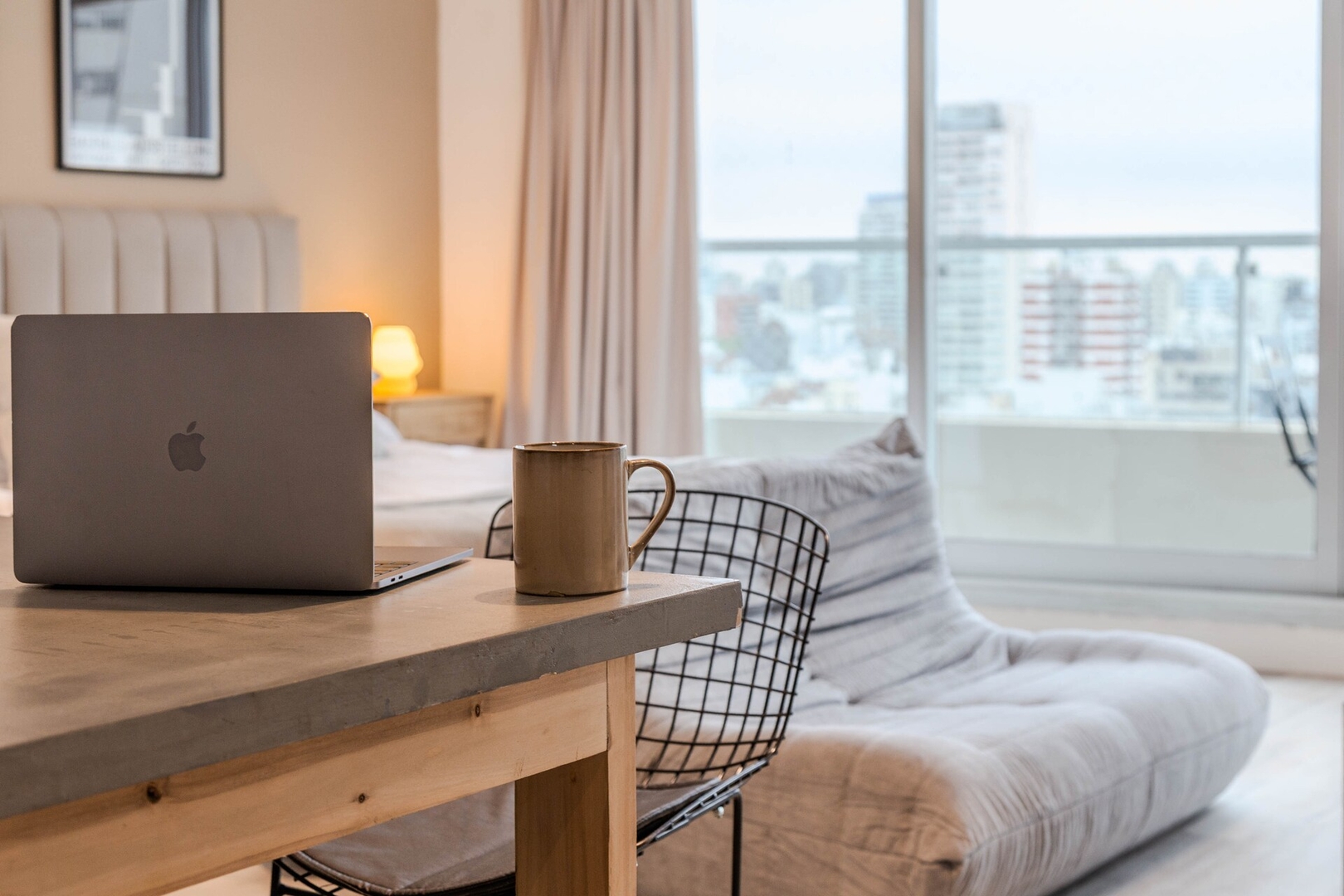
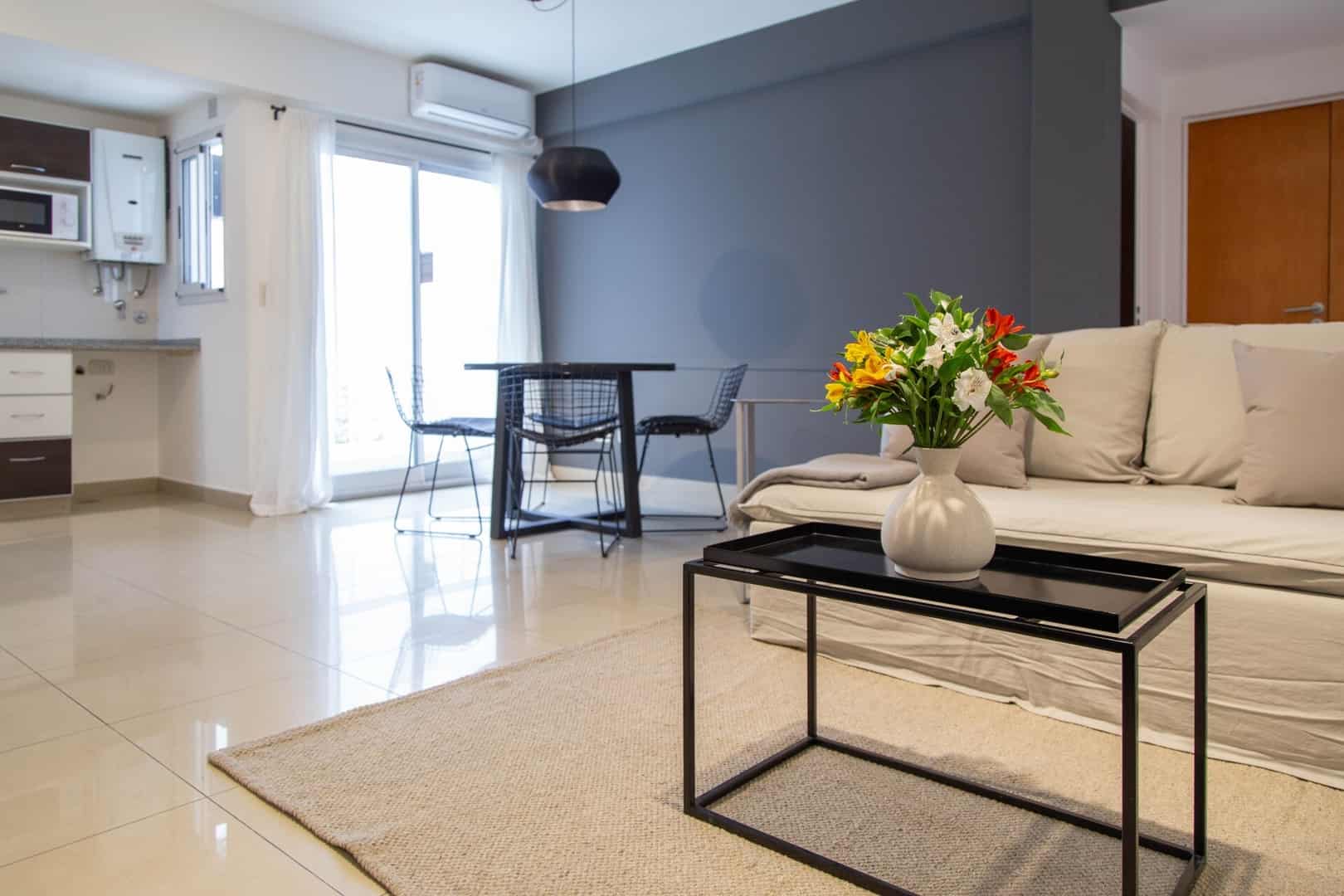
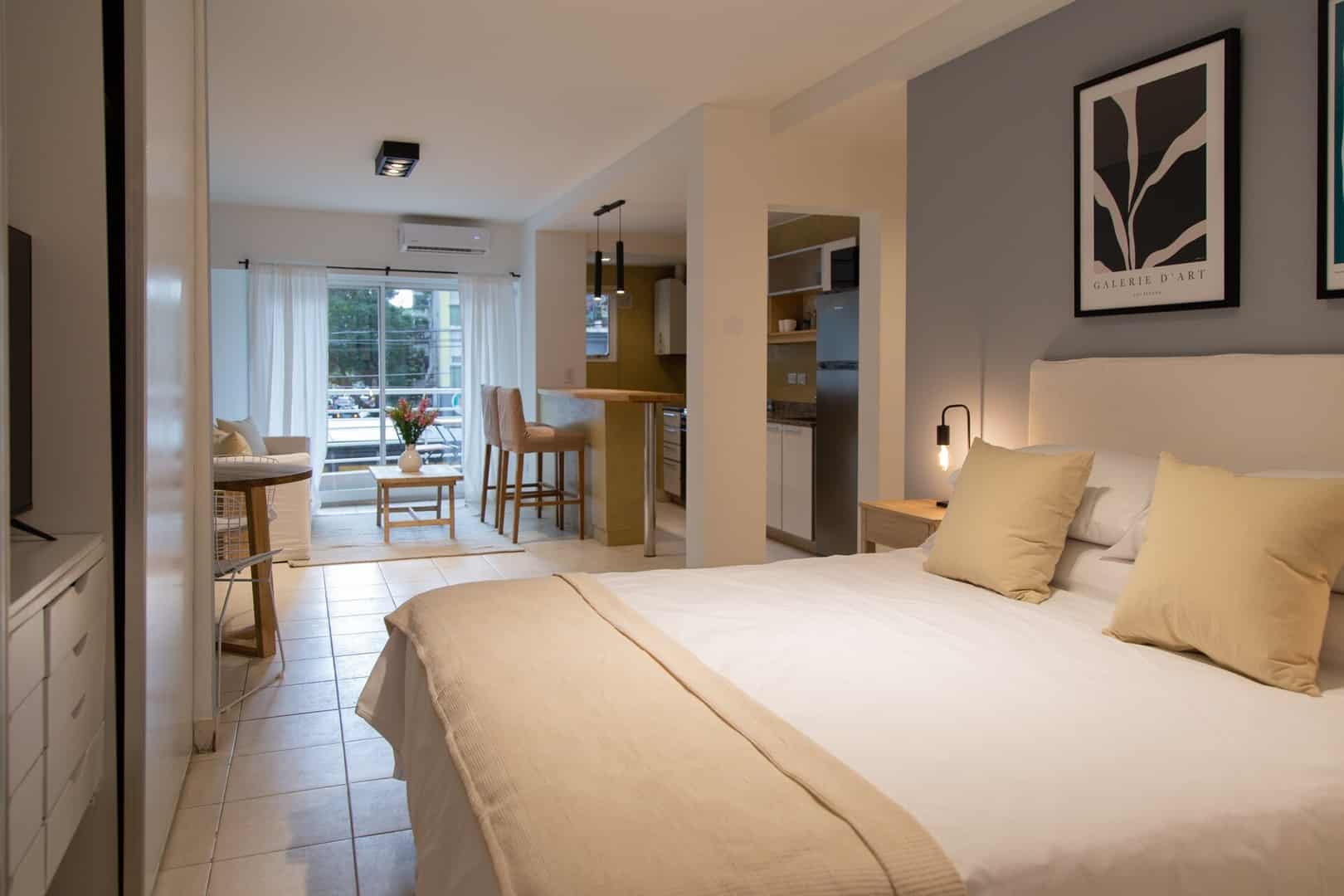
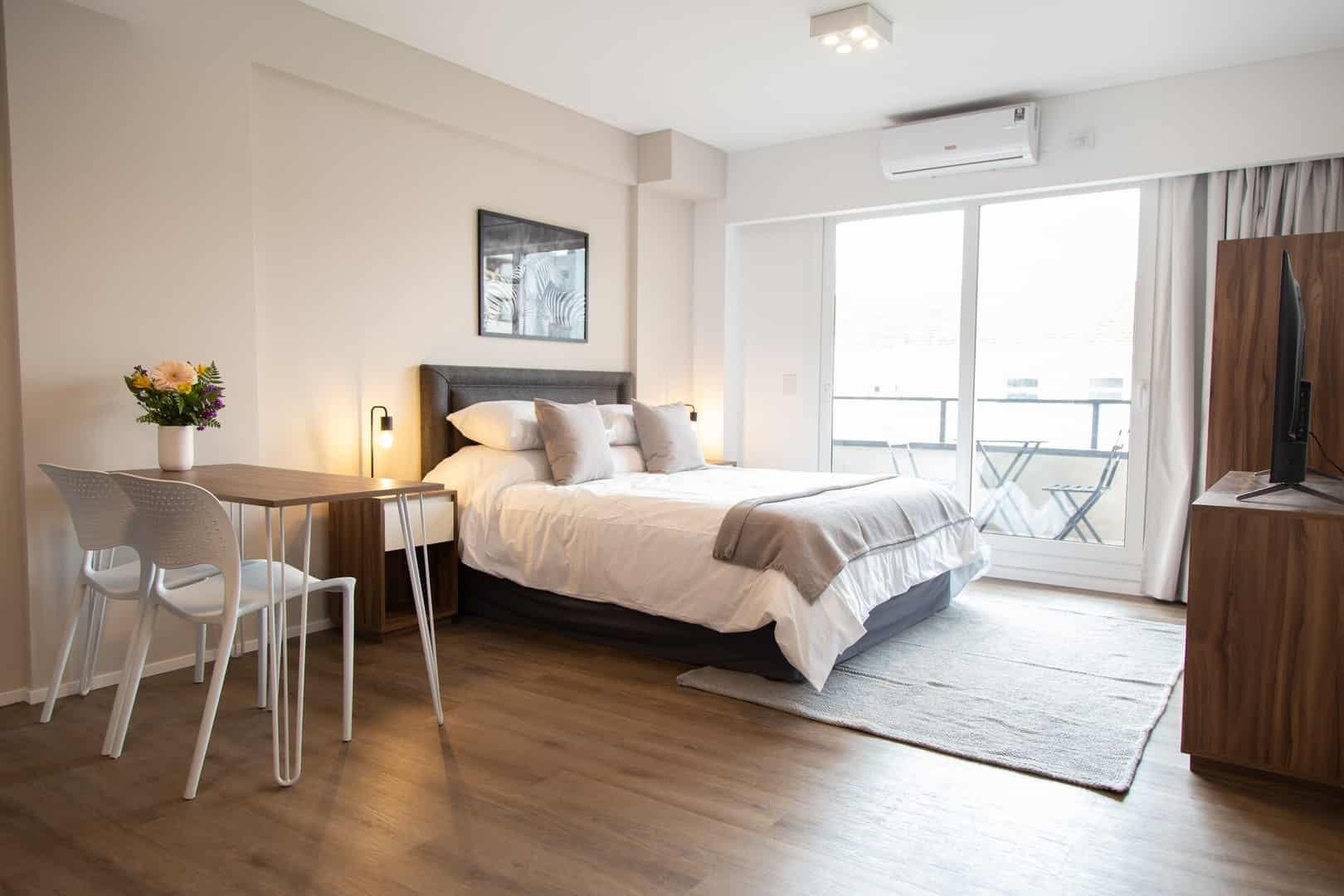
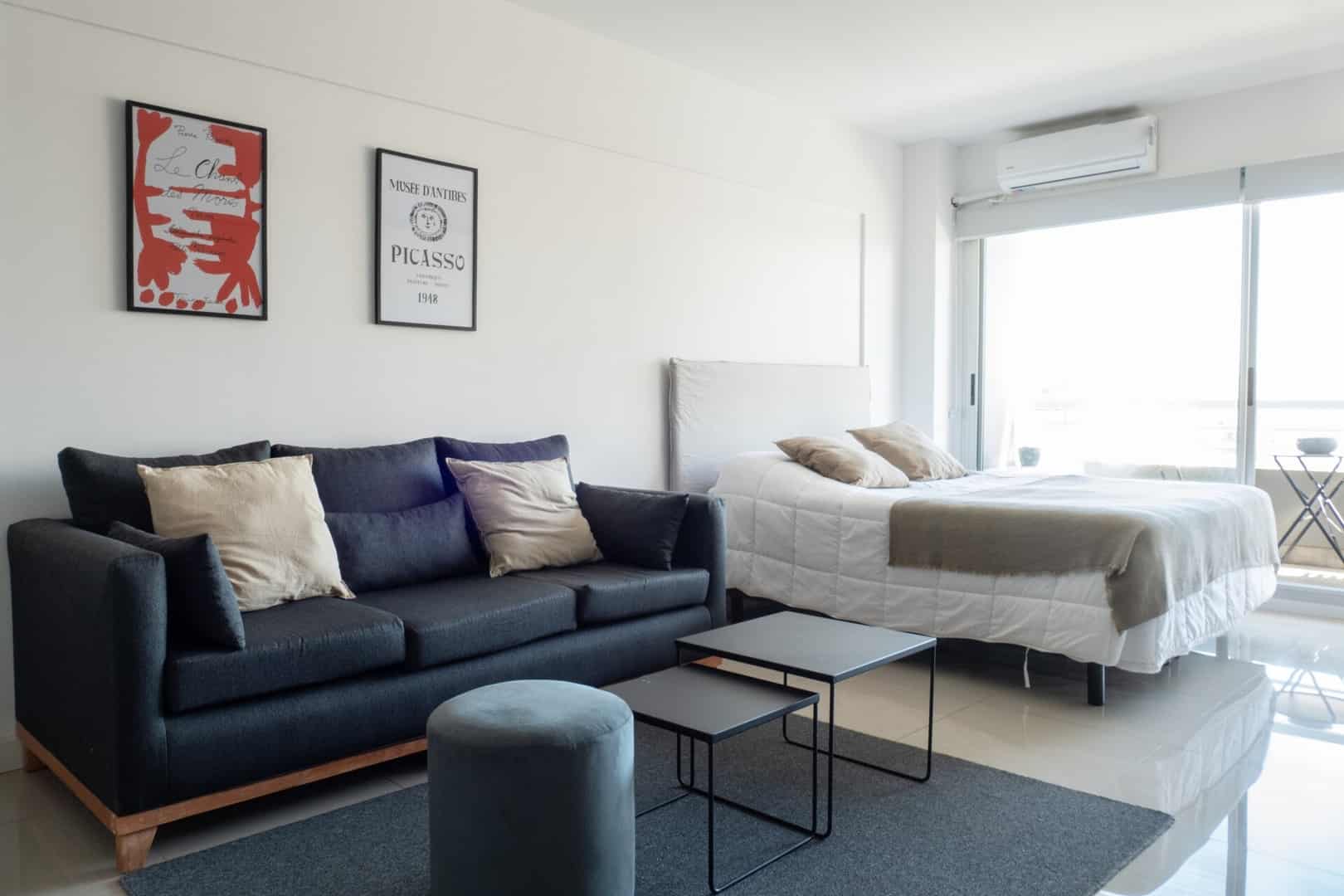
If you start early, ask where calls can happen without disturbing someone sleeping. If you finish late, examine the lighting at the desk, seating and room layout. A dining table photographed in daylight may become an uncomfortable shared workspace after several evening calls.
Ask about the connection at the exact property, not a neighborhood's reputation. Request relevant information about the network and test your own calling tools after check-in. Find out who to contact if the connection stops working and consider an alternative you can actually access during your work window.
With those needs written down, compare apartments for your Buenos Aires stay on BeTrusty. Enter your dates and read each option's details; confirm workspace, connection and conditions separately. A search result is a place to begin comparing, not evidence that a home meets your professional requirements.
Design the hours around work, too
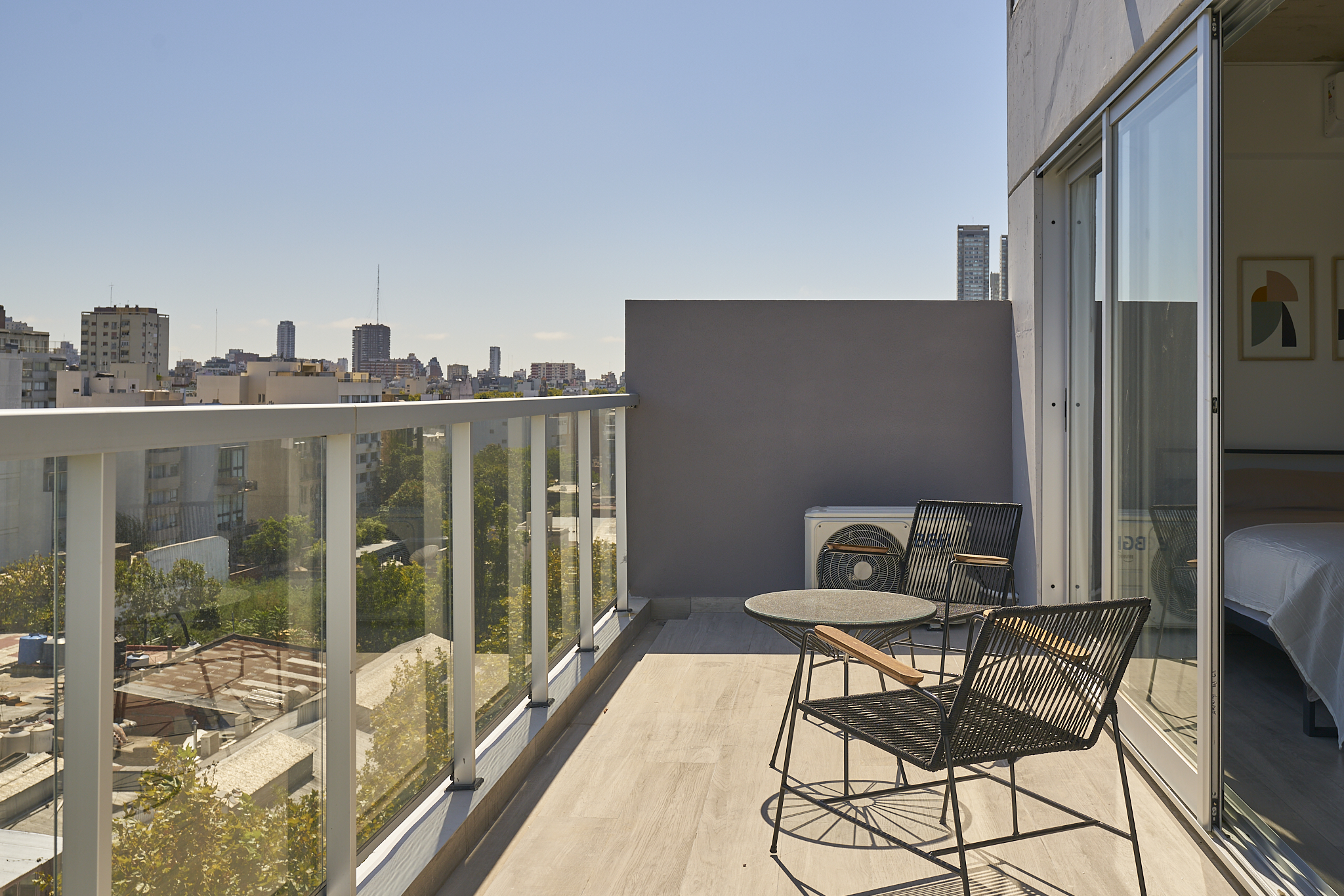
An afternoon-to-evening shift can make mornings feel generous until every errand is squeezed into them. Choose a few recurring anchors: groceries, movement, breakfast and one social activity. Leave enough time to get home and prepare before the first call, rather than planning a cross-city outing immediately before work.
Early schedules need a different arrangement. Prepare food and equipment the previous evening and choose social plans compatible with an early bedtime. You can enjoy Buenos Aires without following every late invitation; the point is a week you can sustain, not an impressive calendar that leaves you exhausted.

If you live with someone on local hours, discuss shared meals and quiet periods. A partner's evening and your workday may overlap. A specific agreement about doors, calls and cooking is kinder than hoping a flexible lifestyle will organize itself.
Once your working window is clear, compare Buenos Aires neighborhoods through a remote-working week. Use the parks, cultural stops and everyday routes in that guide to build a shortlist around the hours you actually have free.
Test the plan during the first week
Before an important meeting, check the date, local start time and link in one place. If the invitation was sent before your move, confirm that the calendar displays it in the location you are using now. A quick confirmation with the organizer is easier than discovering the mismatch when the rest of the team is already waiting.
Treat your initial schedule as a trial. After several working days, note missed meals, noisy periods, rushed journeys and meetings that could move. Change one thing at a time so you can tell whether the adjustment helps. Confirm any change in availability with the people who rely on you.
Set reminders for clock changes in the other countries you work with. Recheck recurring meetings after those dates, including calendar invitations created by someone else. A routine that works in May can shift later even if your own clock does not.
Your best working day might end with a quiet supper, begin with a park walk or leave an afternoon free for a museum. Explore apartments on BeTrusty using that actual day as your brief, and confirm the practical details before deciding where to make it happen.
Cover: cottonbro studio / Pexels, Pexels License.
Property photographs: selected BeTrusty apartment. Original catalog photographs, checked 2 October 2026.
Additional property photographs: Nuñez Living Studio and Villa Crespo Signature Stay. Original catalog photographs, checked 16 October 2026.
Sources and further information
- NIST explains daylight-saving rules and regional exceptions
www.nist.gov
Official reference consulted 29 September 2026. Check changing details with the responsible institution or provider.
- Council explains the current seasonal clock-change system
skribi.consilium.europa.eu
Official reference consulted 29 September 2026. Check changing details with the responsible institution or provider. Official archived page last updated 20 August 2026; consulted 29 September 2026. Check your calendar for the specific dates and locations.